
Fencing That Closes the Safety Gap
Paradise Pool Concepts installs code-compliant pool safety fencing in Cincinnati that meets regulations while fitting into your backyard design.
A pool in Cincinnati requires fencing to meet local safety codes before you can fill it with water. The fence creates a barrier between the pool and the rest of the yard, with a self-closing gate and latch positioned out of reach for young children. Without compliant fencing, the pool cannot pass final inspection, and insurance coverage may not activate.
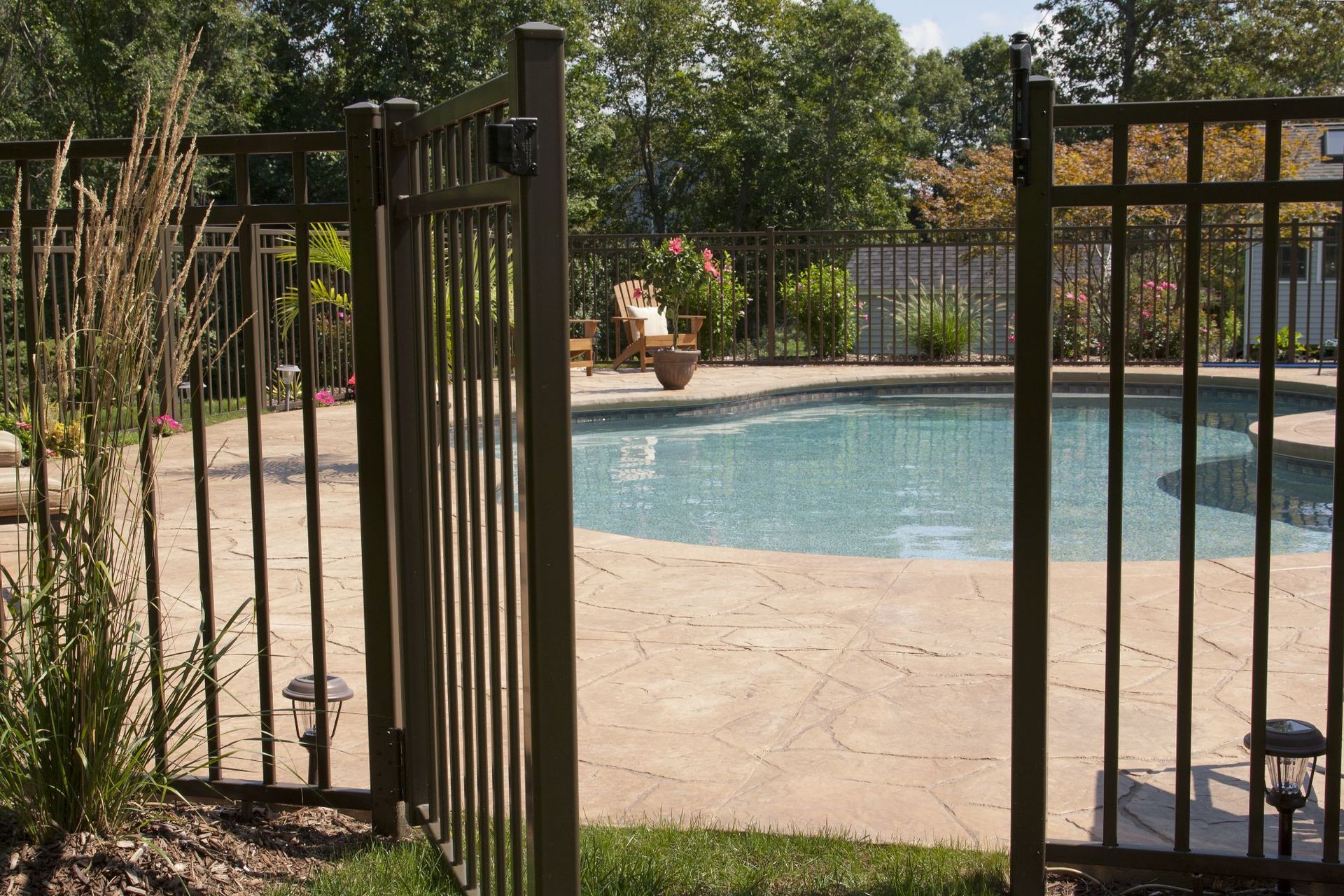
Paradise Pool Concepts installs aluminum, vinyl, and privacy fencing designed to meet pool safety requirements while matching your backyard layout. Aluminum fencing offers narrow vertical pickets with no horizontal climbing points, vinyl fencing provides a solid barrier with low maintenance needs, and privacy fencing uses wood or composite panels for full seclusion. All gates include self-closing hinges and gravity or magnetic latches that lock automatically. We position fencing to enclose the pool area while preserving access to patios, outdoor kitchens, and fire features, and we verify that the installation meets HOA guidelines common in suburban developments around Cincinnati.
If you need pool safety fencing installed or want an estimate for your property in Cincinnati, contact Paradise Pool Concepts for a fencing consultation.
What Code-Compliant Fencing Actually Involves
Installing pool fencing in Cincinnati starts with measuring the area that needs to be enclosed and choosing materials that meet height, spacing, and latch requirements. We install posts in concrete footings, attach fence panels or pickets, and hang gates with self-closing hinges and latches mounted at least 54 inches from the ground. The fence must be at least 48 inches tall with no gaps larger than four inches, and gates must swing outward away from the pool to prevent accidental entry.
Once the fencing is complete, you will notice that the pool area is separated from the yard with clear entry points that close and latch on their own. The fence creates a defined boundary that keeps unsupervised access to the pool controlled, which satisfies code requirements and reduces liability concerns. The space inside the fence becomes a contained zone that includes the pool, deck, and any adjacent seating or features.
We use powder-coated aluminum for durability and rust resistance, vinyl for low maintenance and privacy, and treated wood or composite for full enclosure when seclusion is a priority. Fencing is installed after the pool, deck, and grading work is finished so posts do not interfere with excavation or backfill. If your property has an existing fence that does not meet pool safety standards, we can modify or replace sections to bring it into compliance.
Homeowners in Cincinnati often ask about height requirements, gate options, and how fencing fits into HOA rules. These questions help you understand what is required and how to choose fencing that meets code without disrupting your backyard layout.
Paradise Pool Concepts installs pool safety fencing in Cincinnati that meets code requirements and fits your backyard design. If you need a fencing estimate or want to discuss material options, get in touch for a consultation.